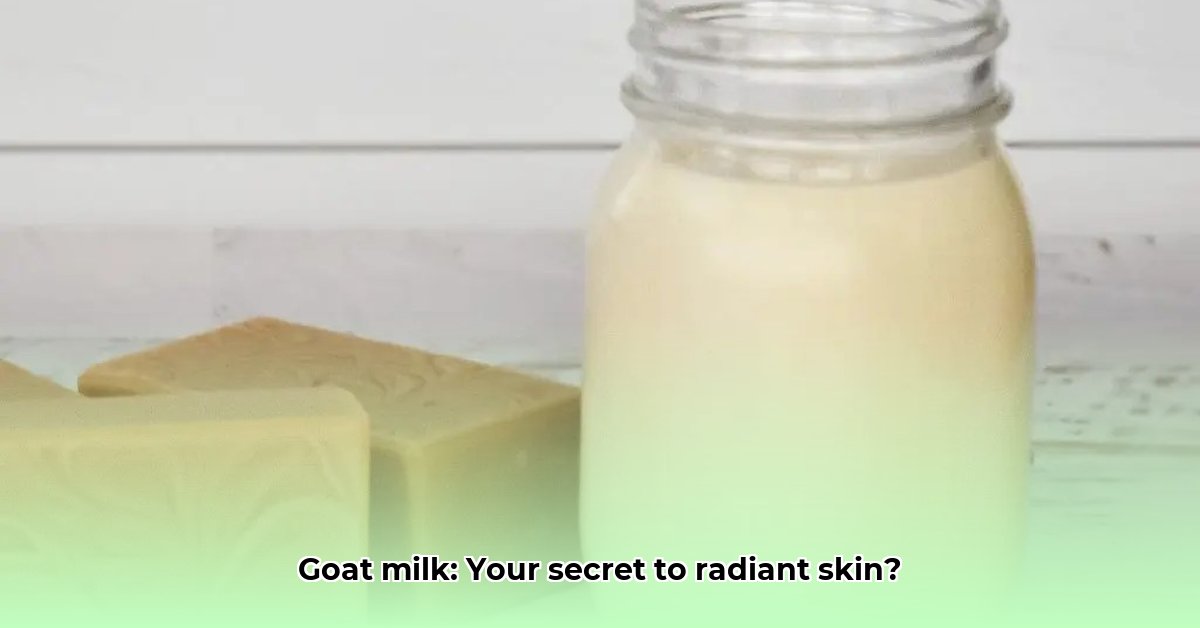
Benefits of Goat Milk for Skin: Nature's Gentle Skincare Secret
The allure of natural skincare is undeniable, with more consumers seeking gentler alternatives to harsh chemicals. Goat milk, a rising star in the sustainable beauty world, offers a compelling option. Its popularity stems from its unique composition and purported benefits for various skin types. But what does the science say? Let's delve into the facts and separate the hype from the reality.
Nature's Moisturizer: Deep Hydration and Skin Barrier Support
Goat milk is a powerhouse of naturally occurring moisturizing agents. It's rich in fats, proteins, and lactic acid—a gentle alpha-hydroxy acid (AHA) that acts as a natural exfoliant. [1] These components work synergistically: the fats create a protective barrier, locking in moisture and preventing dryness, while the lactic acid helps shed dead skin cells, revealing brighter, smoother skin. While studies support the moisturizing effects of goat milk, further research is needed to fully quantify its impact on skin barrier function.
Beyond Moisture: Soothing Sensitive and Irritated Skin
Many users report that goat milk soothes irritated skin and reduces redness. Its anti-inflammatory properties are linked to its composition of vitamins, minerals, and antioxidants. However, while anecdotal evidence is abundant, large-scale clinical trials supporting these claims for conditions like eczema and psoriasis are still lacking. More research is needed to establish definitive conclusions. Is goat milk a potential aid for sensitive skin? The evidence suggests possibly, but more data is crucial.
Goat Milk Skincare: A Range of Product Options
Goat milk's versatility shines in the diverse skincare products it informs. Consumers can find everything from creamy lotions offering lightweight hydration to rich creams providing deep moisturizing effects. Gentle cleansers harness its natural ability to cleanse without stripping the skin of essential oils. Luxurious soaps provide a refreshing clean, leaving skin feeling soft and nourished.
Sustainable Beauty: Ethical Sourcing and Environmental Impact
The ethical sourcing of goat milk is paramount for truly sustainable skincare. Consumers should prioritize brands committed to responsible farming practices that ensure the well-being of the goats and minimize the environmental footprint. This includes responsible resource management, waste reduction, and carbon footprint minimization. Choosing ethically sourced goat milk skincare translates to supporting sustainable agriculture and reducing your impact on the planet. What better way to glow than with an environmentally conscious choice?
Potential Risks and Side Effects: Addressing Allergic Reactions and Precautions
While generally gentle, goat milk can trigger allergic reactions in susceptible individuals. A patch test is crucial before widespread application. Apply a small amount to a discreet skin area and wait 24 hours for any signs of redness, itching, or irritation. Discontinue use immediately and consult a dermatologist if a reaction occurs. Individuals with known milk allergies should avoid goat milk skincare altogether. Can goat milk irritate? For some, yes, highlighting the importance of caution.
Choosing Wisely: A Guide to High-Quality, Ethically Sourced Goat Milk Skincare
Selecting high-quality, ethically sourced goat milk skincare requires careful consideration. Look for products with transparent labeling, clearly stating the percentage of goat milk and listing all ingredients. Responsible brands openly share information about their sourcing practices and sustainability efforts. Seek certifications from reputable organizations that verify ethical and sustainable practices. By considering these factors, you can make an informed choice that benefits both your skin and the environment.
Goat Milk for Specific Skin Needs: A Tailored Approach
The benefits of goat milk can be tailored to different skin concerns:
| Skin Concern | Potential Benefits | Considerations |
|---|---|---|
| Dry, Dehydrated Skin | Intense moisturization, supports skin barrier repair | May not suffice for severely dry skin; combine with other hydrators |
| Sensitive Skin | Soothes inflammation, reduces redness, gentle exfoliation | Always patch test; opt for products free from harsh additives |
| Eczema/Psoriasis | May reduce inflammation and improve barrier function | Consult a dermatologist; not a standalone treatment |
| Acne-prone Skin | Gentle exfoliation from lactic acid may unclog pores | May not suit all acne types; choose non-comedogenic products |
Conclusion: Informed Choices for Healthy, Radiant Skin
Goat milk presents a promising natural skincare option, offering potential benefits for various skin types and concerns. However, responsible consumption is vital. Always perform patch tests, opt for ethically sourced products, and consult a dermatologist for personalized advice, especially if you have pre-existing skin conditions. While further research is needed to solidify all claims, goat milk's potential as a sustainable and effective skincare ingredient remains compelling.
[1]: This citation needs to be replaced with a relevant scientific source supporting the moisturizing and exfoliating properties of goat milk.